
By: Luca Mascellino
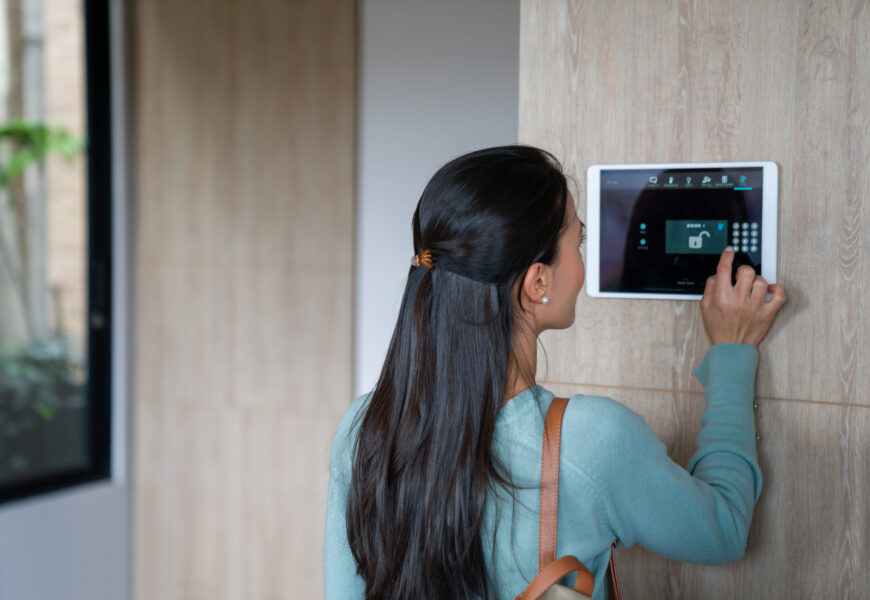
The “home of the future” has arrived. Features that once seemed like science fiction, such as controlling your thermostat from anywhere, unlocking your door remotely or monitoring your home from your phone, are now becoming commonplace.
Smart home technology is changing what buyers look for in a property and how sellers market their homes. From energy-efficient systems and smart security to automated lighting and leak detection, these features can add convenience, efficiency and peace of mind.
For buyers, smart technology can be an attractive feature when searching for a home. For sellers, it can help a property stand out in an increasingly competitive market.
What Makes a Home “Smart”?
Today’s smart homes go far beyond a smart speaker or connected television. Modern systems can work together to improve a home’s security, energy efficiency, convenience and overall functionality.
Some of the most popular smart home features include:
- Security and access: Smart locks, video doorbells, security cameras and automated lighting.
- Energy management: Smart thermostats, motorized shades, solar systems and smart electrical panels.
- Convenience: Automated lighting, irrigation systems and connected appliances.
- Home protection: Smart leak detectors, water shut-off systems, air-quality monitors and humidity controls.
When these systems work together, they can make a home easier to manage while potentially helping homeowners reduce energy use and protect their property.
Smart Features Are Becoming Buyer Expectations
As technology becomes increasingly integrated into everyday life, buyers are beginning to expect the same level of connectivity from their homes.
Younger buyers who have grown up with connected technology may be particularly interested in homes with modern systems already in place. At the same time, smart technology can appeal to homeowners of all ages. Features such as automated lighting, security monitoring and voice controls can make it easier to live independently and comfortably.
For buyers, the appeal often comes down to convenience. Instead of having to install and connect multiple systems after moving in, a home may already have the technology they want.
Do Smart Features Add Value?
One of the biggest questions homeowners have is whether smart technology will increase the value of their home.
The answer isn’t always straightforward. Not every smart device will translate directly into a higher sale price, and buyers may place different values on different features. However, well-integrated systems can make a home more appealing and help it stand out from comparable properties.
Energy-efficient technology can also provide an ongoing financial benefit. Smart thermostats, for example, can help homeowners manage heating and cooling more efficiently, while leak detection and automatic water shut-off systems can help prevent costly damage.
Ultimately, the value of smart technology depends on the quality of the system, how well it is integrated into the home and what buyers in the local market are looking for.
How to Market a Smart Home
Smart technology can be difficult to showcase in traditional listing photos. A smart electrical panel or leak detection system isn’t necessarily going to be the feature that catches a buyer’s eye in a photo.
That’s where effective marketing becomes important.
When selling a smart home, agents can highlight these features through property descriptions, feature sheets, social media and in-person showings. Demonstrating automated lighting, smart security or other connected features can help buyers understand the benefits rather than simply seeing a list of devices.
It’s also important to clearly communicate which systems are included with the sale and how they work.
What Happens to Smart Technology at Closing?
Smart homes can create an additional consideration during a real estate transaction: determining what stays with the property.
Some systems may be considered fixtures, while others may be personal property that the seller intends to take. Sellers and buyers should clearly identify which smart devices and systems are included in the transaction to avoid confusion.
There is also a digital handoff to consider. Sellers should remove personal information, disconnect their accounts and reset applicable devices before transferring control to the new homeowner. Buyers should make sure they receive the necessary information to operate the systems included with the home.
Finding a Future-Ready Home
For buyers, evaluating a home’s technology can be just as important as looking at its kitchen, bathrooms and outdoor space.
Some homeowners may prefer a property that already has smart systems installed, while others may want a home with the electrical and networking infrastructure needed to add technology over time.
A knowledgeable real estate professional can help buyers identify features that fit their lifestyle and help sellers determine which upgrades are worth highlighting when preparing a property for market.
The Future of Smart Homes
Smart home technology is becoming an increasingly important part of the residential real estate conversation. As connected devices, energy-efficient systems and home automation continue to evolve, technology will likely play an even larger role in how buyers evaluate properties and how sellers market them.
At Howard Hanna Real Estate Services, our agents combine local market knowledge with the technology and resources needed to help clients navigate an evolving real estate landscape.
Whether you’re considering selling a home with smart features or searching for a property that is ready for the future, a Howard Hanna agent can help you understand what matters most in today’s market.
About Howard Hanna
Howard Hanna Real Estate Services proudly provides real estate, mortgage, title, and insurance services across 18 states. As the largest family-owned and -operated real estate brokerage in the United States, Howard Hanna operates more than 500 offices with 15,000 sales associates and staff. The company’s proprietary Hanna Success System helps its agents achieve 53% more business than agents at the top 1000 brokerages nationally. Learn more at www.HowardHanna.com.
Last modified: August 18, 2026